
silver floor length mirror
How to Change a Main Water Valve Changing a main water valve may seem like a daunting task, but with the right tools and instructions, it can be accomplished by a homeowner with basic plumbing knowledge. The main water valve is essential for controlling the water supply to your entire house, making it crucial to ensure it is functioning properly. Here’s a step-by-step guide on how to change your main water valve safely and effectively. Tools and Materials Needed Before starting the process, ensure you have the following tools and materials 1. Pipe Wrench For loosening and tightening connections. 2. Adjustable Wrench Useful for securing fittings. 3. Screwdrivers Both flathead and Phillips for any screws present. 4. Teflon Tape For sealing threaded connections. 5. Basin Wrench If the valve is in a tight location. 6. Replacement Valve Ensure you have the correct size and type based on your current valve. 7. Bucket To catch any residual water when you remove the old valve. 8. Safety Goggles and Gloves For protection during the process. Step 1 Locate the Main Water Valve The first step is to locate your main water valve. It is typically found near where the water line enters your home, often in the basement, crawl space, or on an exterior wall. The valve may look like a round wheel or a lever. Familiarizing yourself with its location is important, as you will need to turn it off before replacing it. Step 2 Turn Off the Water Supply Once you’ve found the valve, turn it off by rotating it clockwise. If it’s a lever valve, simply turn the lever perpendicular to the piping. This action will stop the flow of water into your home. To verify that the water is off, turn on a faucet in the house and ensure that there is no water flow. Step 3 Drain the Pipes After shutting off the main water valve, it’s necessary to drain any remaining water from the pipes. Open the lowest faucet in your home to allow air into the system, which will help drain the remaining water out. Placing a bucket underneath the valve can help catch any water that spills during the removal process. how to change main water valve Step 4 Remove the Old Valve Using the pipe wrench, begin loosening the nuts that secure the main water valve to the pipes. If the valve is rusty or stuck, you may need to apply penetrating oil and allow it to sit for a while before attempting to loosen it again. Be careful to hold the pipe securely to avoid damaging it. Once the nuts are loosened, remove the old valve completely. Step 5 Install the New Valve Before installing the new valve, wrap the threaded ends of the pipe with Teflon tape. This will help create a watertight seal and prevent leaks. Next, position the new valve in place and hand-tighten the nuts to secure it. After ensuring it's correctly aligned, use the adjustable wrench to further tighten the connection. Be cautious not to overtighten, as this can damage the valve or pipes. Step 6 Turn the Water Supply Back On Once the new valve is securely in place, return to the main water valve and turn it back on by rotating it counterclockwise or moving the lever back to its original position. After turning it on, check for leaks around the new valve and the connections. If you notice any leaking, you may need to tighten the connections slightly. Step 7 Test the System With the new valve installed and no leaks detected, test the system by turning on several faucets throughout your home. This will help you ensure that the water is flowing correctly and that there are no air pockets. If the water pressure is inconsistent or if you note any issues, you may need to further troubleshoot your plumbing system. Conclusion Changing a main water valve can be a straightforward task if you approach it methodically and with the right tools. Regular maintenance of your plumbing system, including the main water valve, can prevent significant issues down the line. If at any point you feel unsure or encounter difficulties, consider consulting a professional plumber to ensure the work is completed safely and effectively. Remember, taking proactive steps can save you time and money in the long run.
about
silver floor length mirror
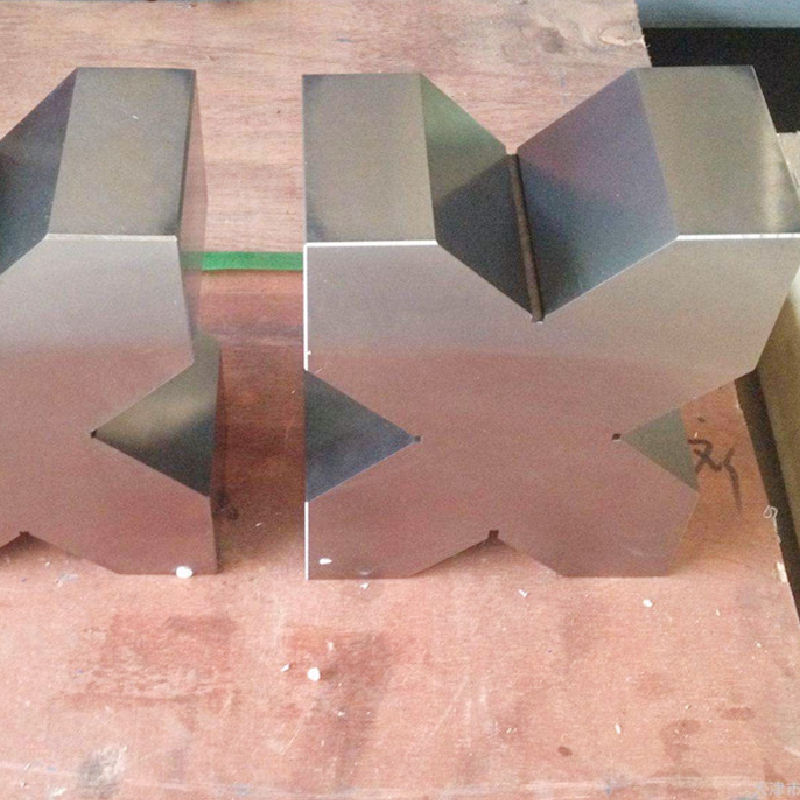
The aerospace industry demands unparalleled precision in component manufacturing and inspection. Threaded fasteners, critical to structural integrity, require rigorous verification to ensure compliance with stringent safety and performance standards. Thread gauge types play a pivotal role in this process, enabling engineers to validate thread dimensions, pitch, and form. This article explores the key thread gauge types used in aerospace inspections, focusing on thread plug gauges , screw thread gauges , and standard thread gauges , while addressing common questions about their application. Understanding Thread Gauge Types for Precision Aerospace Inspections Thread gauge types are specialized tools designed to measure the geometric accuracy of threaded components. In aerospace, where tolerances are measured in microns, selecting the right gauge type is non-negotiable. The primary categories include thread plug gauges , screw thread gauges , and standard thread gauges , each serving distinct purposes. Aerospace components often use threads subjected to extreme temperatures, vibrations, and loads. For example, engine mounts, landing gear, and fuselage assemblies rely on threads that must withstand cyclic stress without failure. Thread gauge types ensure these threads conform to specifications outlined by standards such as ASME B1.1, ISO 1502, and NASM 1312. Go/no-go gauges, a subset of thread plug gauges , are particularly vital for rapid pass/fail assessments in high-volume production environments. Manufacturers prioritize gauges made from hardened steel or carbide for durability, as repeated use in aerospace inspections can wear down softer materials. Additionally, temperature-stable coatings are applied to minimize thermal expansion effects during measurements. The Critical Role of Thread Plug Gauges in Aerospace Quality Control Thread plug gauges are cylindrical tools used to inspect internal threads, such as those in nuts or threaded holes. Their design includes a “go” end, which must smoothly enter the thread, and a “no-go” end, which should not advance beyond a specified depth. This binary verification ensures threads meet both dimensional and functional requirements. In aerospace applications, thread plug gauges are tailored to specific thread standards. For instance, Unified National Fine (UNF) threads, common in aircraft assemblies, require gauges with precise pitch diameters. Customized thread plug gauges may also feature extended handles or ergonomic grips to facilitate inspections in hard-to-reach areas, such as turbine blade assemblies. High-volume aerospace manufacturers often use automated systems integrated with thread plug gauges to streamline inspections. These systems reduce human error and increase throughput while maintaining compliance with regulatory frameworks like FAA Part 21 and EASA CS-25. Screw Thread Gauges: Ensuring Compatibility and Performance Screw thread gauges are designed to evaluate external threads on bolts, studs, and screws. Unlike thread plug gauges , these tools typically resemble rings or calipers that encircle the threaded component. The “go” ring must spin freely along the thread’s length, while the “no-go” ring should resist movement after a predetermined number of turns. Aerospace screw thread gauges must account for unique material behaviors. Titanium alloys, widely used for their strength-to-weight ratio, exhibit slight elasticity under load. Gauges used for titanium fasteners are calibrated to accommodate this property, ensuring threads remain within tolerance even under operational stress. Additionally, screw thread gauges for aerospace applications often incorporate anti-seize coatings to prevent galling during inspections. This is critical when dealing with materials like stainless steel or Inconel, which are prone to adhesion under friction. Standard Thread Gauges: Aligning with Global Aerospace Specifications Standard thread gauges refer to tools calibrated to internationally recognized thread profiles, such as Metric, Unified, or Whitworth. In aerospace, harmonizing inspections with global standards is essential, as components may be manufactured in one country and assembled in another. For example, Airbus and Boeing suppliers must adhere to both ISO and ASME standards. Standard thread gauges certified by NIST (National Institute of Standards and Technology) or equivalent bodies ensure cross-compatibility. These gauges are often accompanied by traceable calibration certificates, a requirement for audits and regulatory submissions. Aerospace manufacturers also leverage standard thread gauges for reverse engineering legacy components. When replacing obsolete fasteners in older aircraft, engineers use these gauges to replicate thread dimensions accurately, ensuring retrofitted parts maintain original performance characteristics. FAQs About Thread Gauge Types in Aerospace What are the primary applications of thread plug gauges in aerospace? Thread plug gauges are used to inspect internal threads in components like engine mounts, hydraulic fittings, and avionics housings. They verify thread acceptance per design specifications, ensuring proper fastener engagement. How do screw thread gauges differ from thread plug gauges? Screw thread gauges evaluate external threads on bolts or screws, while thread plug gauges assess internal threads. The former uses ring or caliper-style tools, whereas the latter employs cylindrical go/no-go ends. Why are standard thread gauges critical for international aerospace projects? Standard thread gauges ensure compliance with global thread standards (e.g., ISO, ASME), enabling seamless collaboration between international suppliers and manufacturers. They eliminate discrepancies in thread compatibility. Can thread gauge types be customized for unique aerospace components? Yes. Manufacturers offer custom thread gauge types tailored to non-standard thread profiles or specialized materials, such as composites or high-temperature alloys. How often should thread plug gauges be calibrated in aerospace settings? Calibration intervals depend on usage frequency and material hardness. For high-volume aerospace production, thread plug gauges are typically recalibrated every 500–1,000 cycles or quarterly, whichever comes first. Selecting the appropriate thread gauge types is a cornerstone of aerospace quality assurance. Thread plug gauges , screw thread gauges , and standard thread gauges each address specific inspection needs, ensuring threads meet exacting standards for safety and performance. By adhering to global specifications and leveraging advanced materials, aerospace manufacturers can maintain the reliability required for critical applications. As the industry evolves, innovations in gauge design and automation will further enhance precision and efficiency in component inspections.
-

High quality industrial productsagement

High quality industrial products
View Details -

Meet the diverse needs of customers

Meet the diverse needs of customers
View Details -

Strict quality control

Strict quality control
View Details -

Top raw materials

Top raw materials
View Details -

Trusted supplier

Trusted supplier
View Details
Our application

news and information
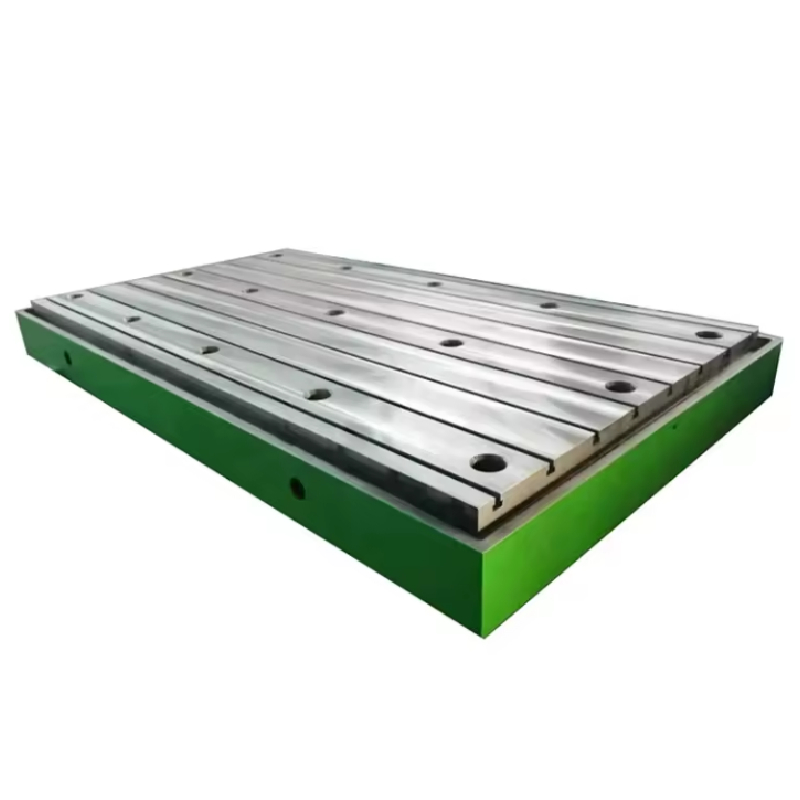
Valvola filtro tipo y
La Valvola Strainer di Tipo Y Importanza e Funzionamento La valvola strainer di tipo Y è un componen
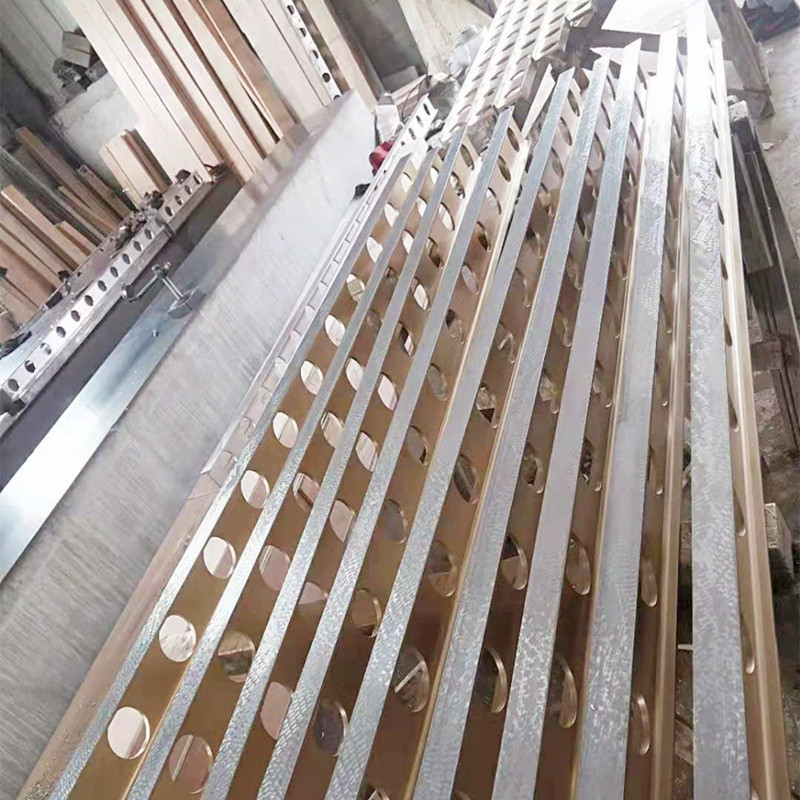
Vendita di gauge a spina di alta qualità disponibile online
Misuratori a Pugno in Vendita La Scelta Ideale per Ogni Professionista I misuratori a pugno, noti an
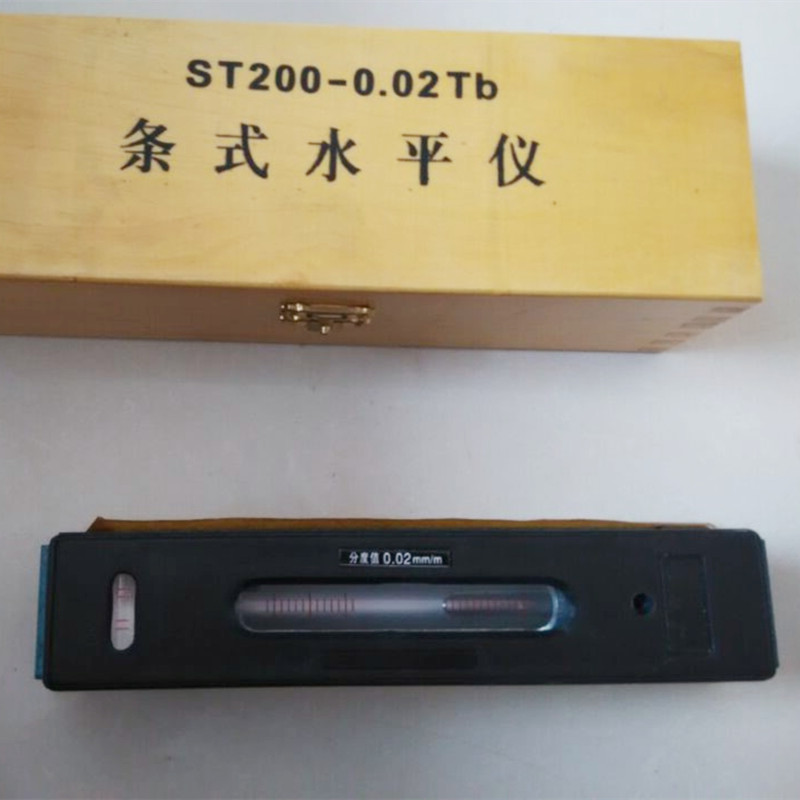
where is the water shut off valve
Where is the Water Shut-Off Valve? Understanding the location and function of the water shut-off val
 English